
13850505
Description

Flashcards by Isleworth Physics, updated more than 1 year ago
|
|
Created by Isleworth Physics
almost 8 years ago
|
|
| Question | Answer |
| What is the radius of an atom? | |
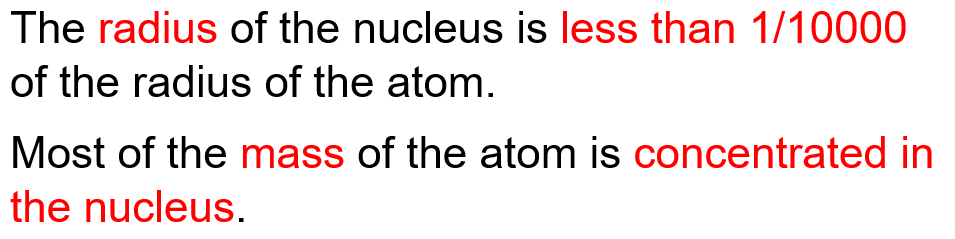
| How does the radius of the nucleus compare to the radius of the whole atom? | |
| Describe simply the structure of the atom (the current model) | |
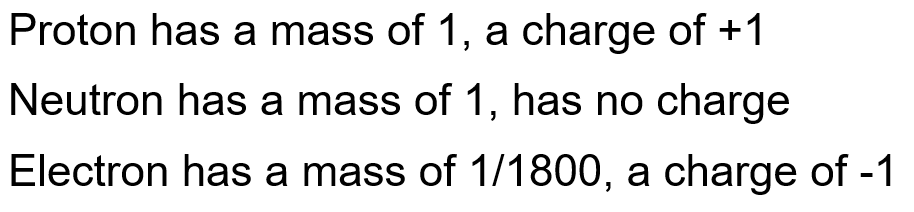
| Compare the proton, neutron and electron | |
| What does the mass number mean? | |
| What does the atomic number mean? | |
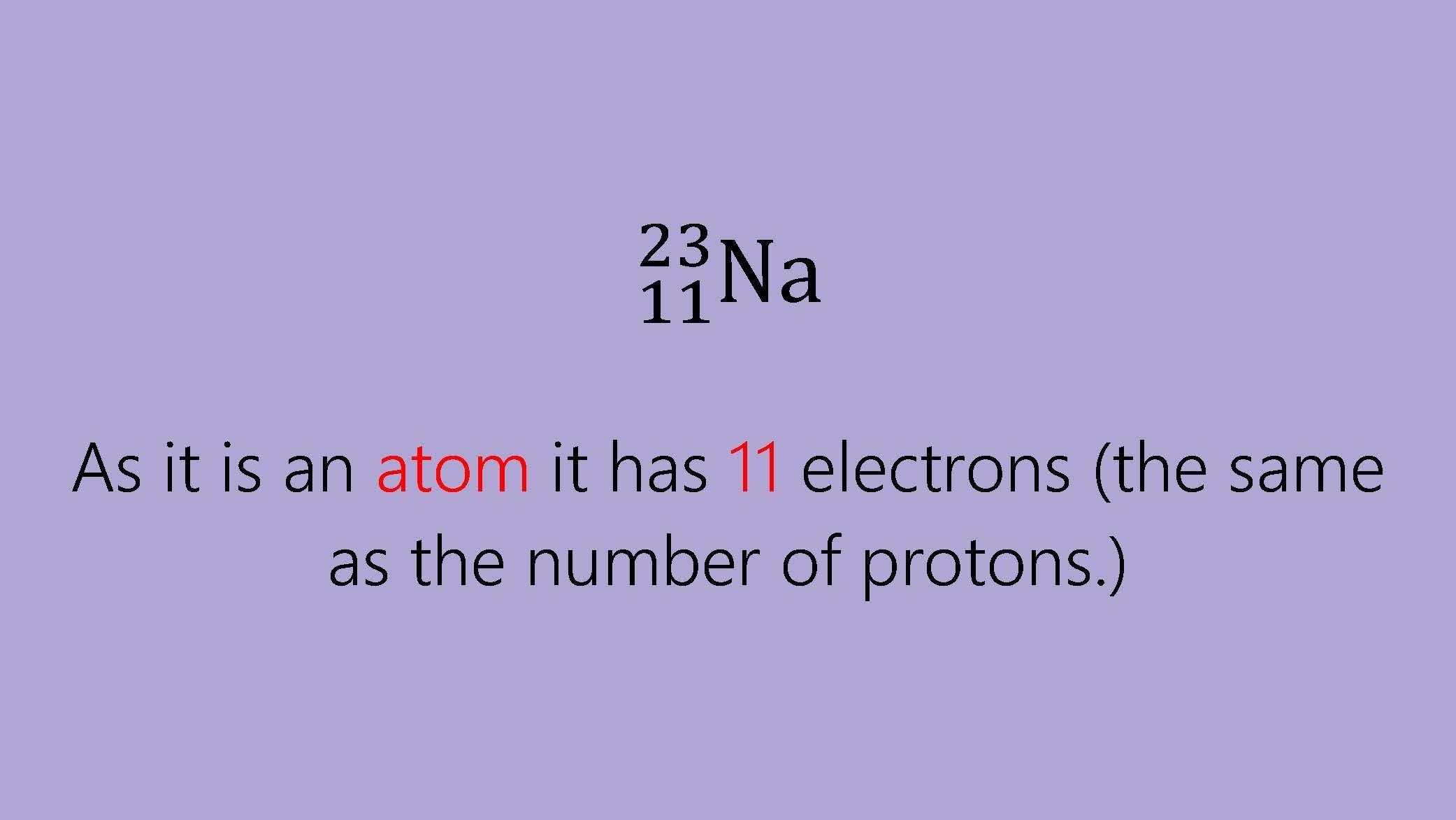
| An atom of sodium (Na) has 11 protons and 12 neutrons. What is the symbol for this atom? How many electrons does the atom have? | |
| What happens if an atom loses one or more outer electrons? | |
| An atom has no overall charge – what does this mean? | |
| Define what isotopes are | |
| Describe how electrons are arranged in the atom | |
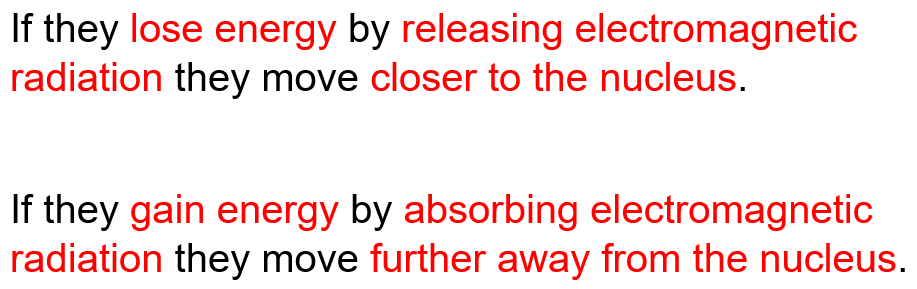
| How can an electron move to a shell closer, or further away from the nucleus? | |
| What causes a new scientific model to be change or replaced? | |
| Who suggested the Plum Pudding model of the atom? | |
| Describe the plum pudding model | |
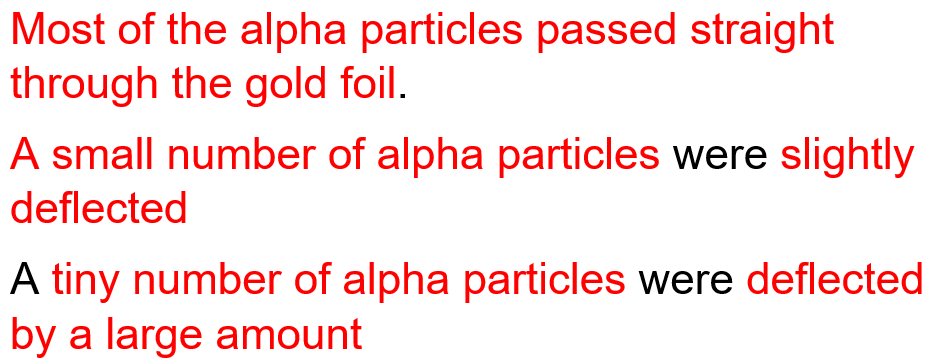
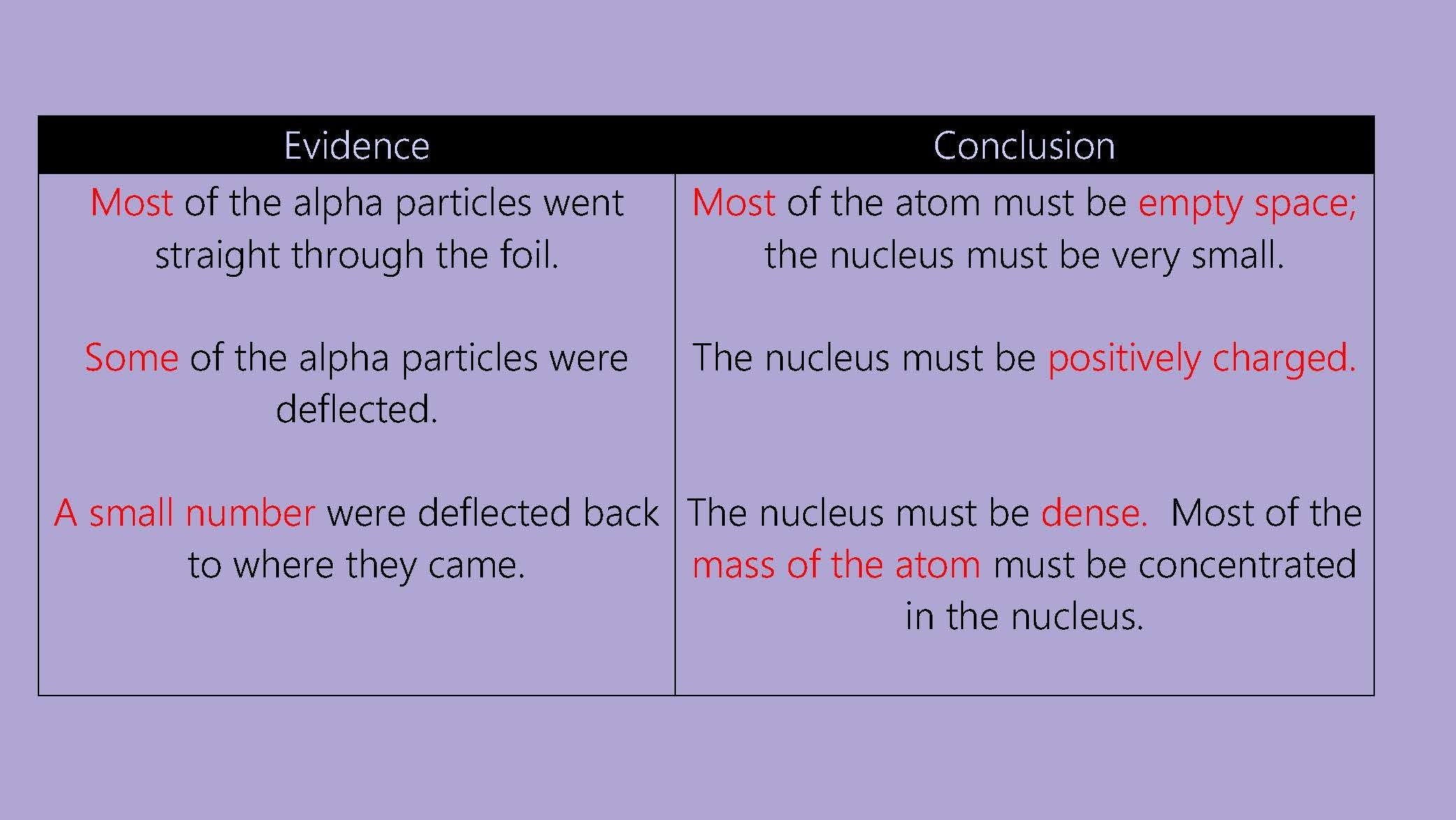
| State the results of the alpha scattering experiment | |
| What were the names of the scientists carrying out the alpha scattering experiment? | |























Want to create your own Flashcards for free with GoConqr? Learn more.