
3299245
Description

Flashcards by Aileen Garcia-Sanche, updated more than 1 year ago
|
|
Created by Aileen Garcia-Sanche
over 10 years ago
|
|
| Question | Answer |
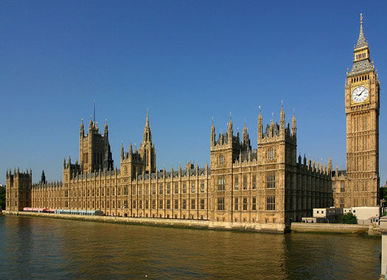
| Parliament | British Legislature |
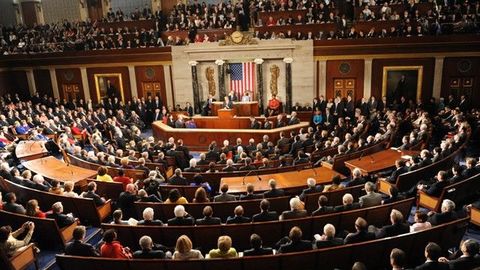
| Legislature | Group of people that made laws |
| Precedent | Ruling used as basis for a judicial decision in a later similar case |
| Commom Law | System of law based on precedent and customs |
| Compact | Agreement, or contract, among a group of people |
| Town Meeting | Gathering of people of local citizens to discuss & vote on important issues |
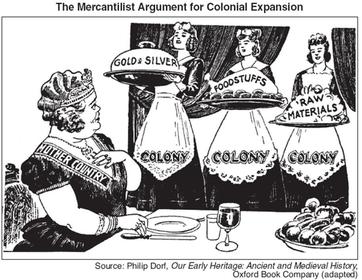
| Mercantilism | Theory that a country should sell more goods to other countries than it buys |
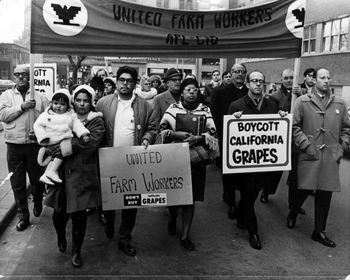
| Boycott | Refusal to purchase certain goods |
| Congress | Formal meeting at which representatives that discuss matters of common concern |
| Independence | Self-reliance & freedom from outside control |
| Confederation | Group of individuals or states that band together for a common purpose |
| Magna Carta | Great Charter signed in 1215 by King John; limited power of the monarch & recognized rights of the nobles |
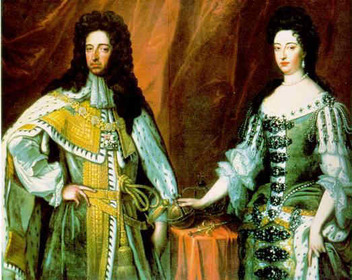
| Glorious Revolution | 1688 the peaceful transfer of power in history of England; Parliament removed King James II from throne & invented his daughter Mary & her husband William to rule instead |
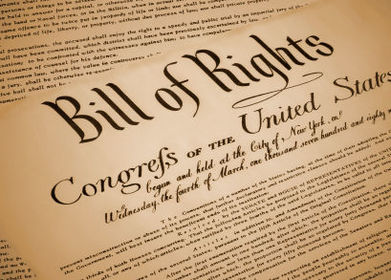
| English Bill of Rights | English history guaranteed free elections; the right to a fair trial, & made cruel & unusual punishment illegal |
| Natural Rights | Rights you are born with, Life, Liberty, & property |
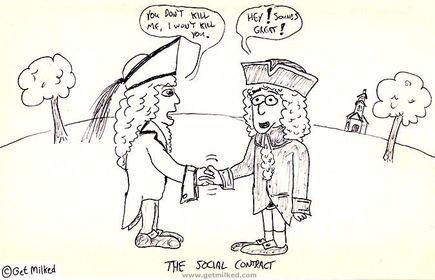
| Social Contract | Agreement between people (the governed) & the government; People agree yo give up part of their freedom to Govt. in exchange for protection of natural rights. |
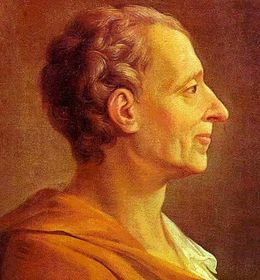
| Baron De Montesquieu | Philosopher who came up with the "seperation of powers" |
| Enlightenment | During the 1700s & 1800s movement that spread the idea that reason & science could improve society |
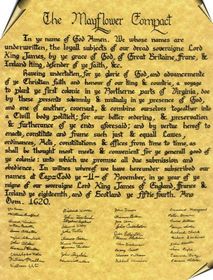
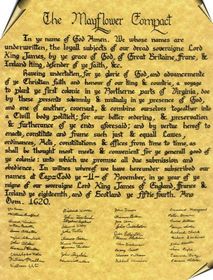
| Mayflower Compact | Document signed by passenger of Mayflower; created a direct democracy in the New World; also represents idea of a social contract |
| House Of Burgusses | Bicameral legislature in Jamestown, Virginia; also was the 1st Representative democracy in the New World |
| Proprietary Colony | Colony owned by a person who controlled the land & government |
| Royal Colony | Colony owned by King& ruled directly by the king |
| Indentured servant | Person who agreed to work for a period of 7 years to pay off the cost of their passage to the colonies |
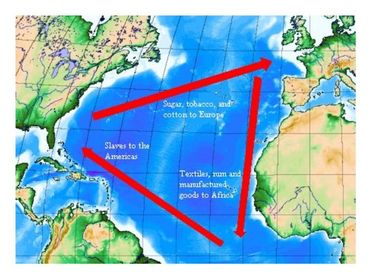
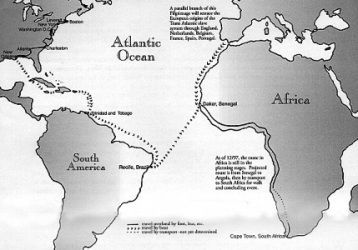
| Triangular Trade | Trade between Europe, Africa, & the Americas; slaves from Africa ere transported t the Americas & traded for sugar & molasses |
| Middle Passage | Journey across the Atlantic Ocean made by the slave ships |
| Salutary Neglect | Sometimes called Healthy Or Useful neglect meant England did not strictly enforce its laws in the colonies |
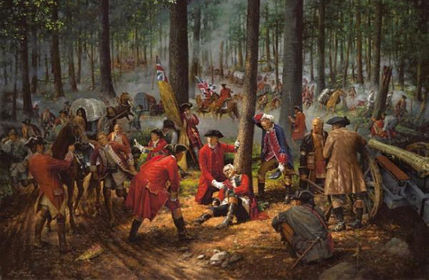
| French Indian War | AKA 7 Years War; Between England & France; Because of war dept England began to tax |
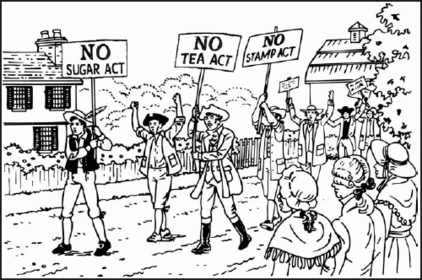
| "No Taxation Without Representation" | Slogan that summed up the colonists anger over taxes & the fact that colonies were NOT allowed to send representatives from parliament |
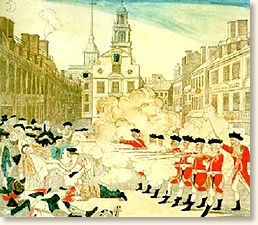
| Boston Massacre | March 5th 1770 British soldiers opened fire on a crown killing 5 American colonists; event fueled the Americas hatred for the British |
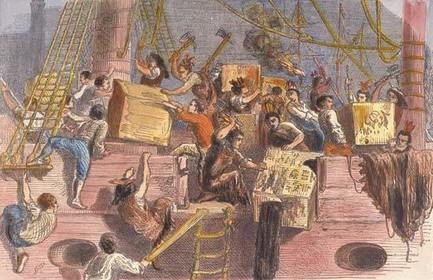
| Boston Tea Party | Colonists dressed as Indians sneaked abroad British ships & dumped 90,000 pounds of tea into the Boston Harbor |
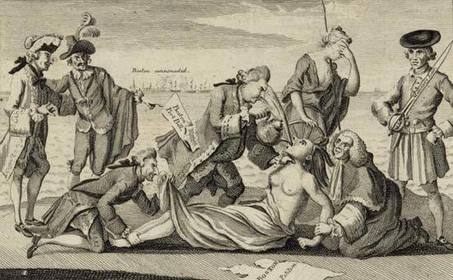
| Intolerable Acts | AKA Coercive Acts; these acts (laws) punished the Boston colonists for the Boston Tea PArty; the Boston port was closed to trade & new Quartering Act |
| Quarting Acts | Part of the Intolerable Acts; act that required colonists to house & feed British soldiers |
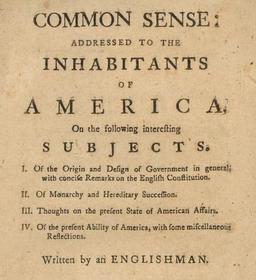
| Common Sense | Pamphlet written by Thomas Pained that was widely read in the colonies; said that colonies should be free & independent |
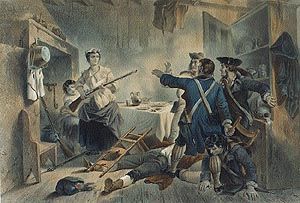
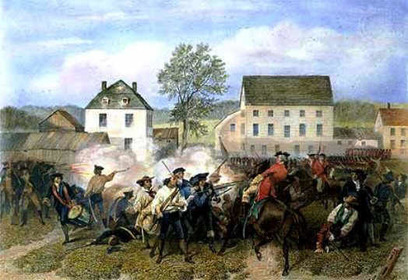
| Battle Of Lexington And Concord | "Shot Heard Around The World"; 1st battle of the Revolutionary War |
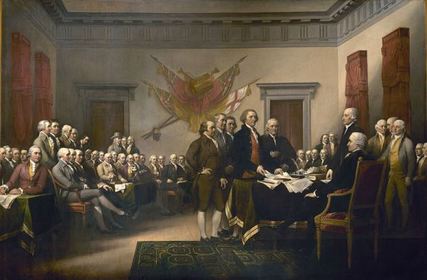
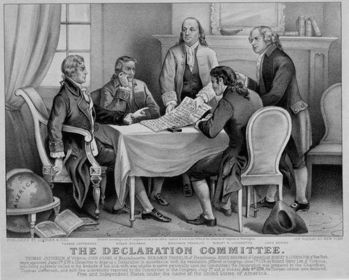
| Second Continental Congress | Meeting of colonial delegates in May 1775; a committee of 5 men were appointed to write a document declaring American Independence |
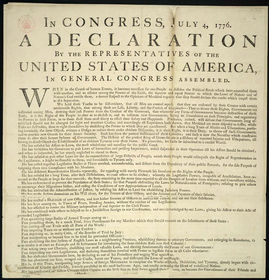
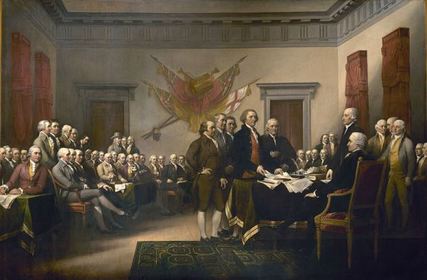
| Declaration Of Independence | Document addressed to King George II of England that declared American Independence |
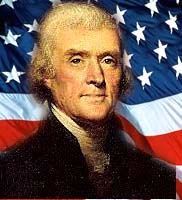
| Thomas Jefferson | Chief author of the DOI |
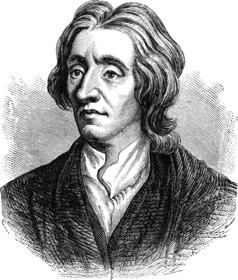
| John Locke | English philosopher whose natural rights philosophy was a BIG influence on Thomas Jefferson |
Want to create your own Flashcards for free with GoConqr? Learn more.