
35457015
Description

Flashcards by Luciana Rosell, updated more than 1 year ago

|
Created by Luciana Rosell
almost 4 years ago
|
|
| Question | Answer |
| Nutrition | It is the process by which living organisms take in subtances to survive. |
| What are nutrients for? | Building, repairing and maintaning the body. Getting energy to perform life processes. Regulating body functions. |
| Types of nutrients | Living organisms cannot use all the nutrients that exist as sources of energy for their life processes. Organic nutrients Inorganic nutrients |
| Organic nutrients | Are complex substances (by living organisms) Have energetic value ex: fats, carbohydrates and proteins |
| Taking organics nutrients. | Not all living organisms take organic nutrients from the environment. All living organisms need organic nutrients for life. Some living organisms produce their organic nutrients |
| Organic Classification | Heterotrophic Autotrophic |
| Heterotrophic organisms | consumers that cannot produce organic nutrients and they must get them from the environment. |
| Types of heterotrophics organisms | Primary consumers: they feed on autotrophic organisms (plants). Ex: hervibores Secondary consumers: they feed on other consumers. Ex: carnivores Decomposers: feed on waste. Ex: fungi and bacteria. |
| Autotrophic Organisms | They transform inorganic nutrients into organic nutrients not energetic value => energetic value |
| Classification of autotrophic organisms | Photoautotrophs Chemoautotrophs |
| Photoautotrophs | Use LIGHT as energy source transform inorganic nutrients from photosynthesis intro organic nutrients |
| Photosynthesis | A chemical process in which photoautotrophics organisms produces organic nutrients using energy from the sun. CO2 + water + light -> energy into -> O2+glucose INORGANIC into ORGANIC Transform light energy into chemical energy |
| Chlorophyll | The green color of autotrophs is a pigment called ... Substances allows cells to captures energy from the sunlight Only the plants that contain .... can perform photosynthesis |
| Chloroplast | Inside eukaryotic cells that contains organelles |
| Light energy | Is only used to carry out photosyntheses |
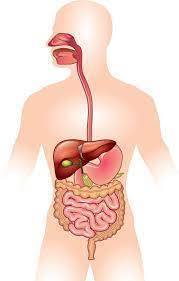
| Digestion | The process by which heterotrophic organisms break food down into substances that cells can use |
| Internal digestion | Saliva has digestive enzimes food is transported to the stomach chemical digestion continues to the intestine food is absorbed by cells living on the intestine walls |
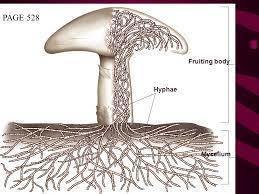
| External digestion | Fungi feed of other organisms of the floor Mushrooms variate of fungi threadlike tubes (hyphae) branch out. Cells in fungus absorb organic nutrients |
| Cellular respiration | It is a chemical reaction that happens inside a cell. occurs when the organic nutrients, with oxygen obtained from the environment produces co2 and water o2 -> energy -> co2 + h2o |
| Mitochondria | Cellular respiration takes place in this part of the eukaryotic cells. It is the power station. |
| Chemical reactions | Photosynthesis and cellular respiration are opposite chemical reactions, In plants this two coexist. |
| Taking inorganic nutrients | Land animals Aquatic animals Vascular plants Algae Fungi Unicellular organisms |
| Land animals | Ingest water to get salts or food containing water Take in oxygen through lungs or spiracles |
| Aquatic animals | Absorb water and salts Take in oxygen through gills Small size animals absorb water, salts and oxygen through the surface of their body |
| Vascular plants | Absorb water and mineral salts from the soil |
| Algae | Absorb water through body surface Mineral salts are dissolved on water They need O2 and Co2 to survive |
| Fungi | Captures water and minerals salts from the surface. They get oxygen from the pores and nutrients from the hyphae |
| Unicellular organisms | Protozoa and bacterias take in inorganic nutrients through cell membrane |
| Nutrients as source of matter | Cells must grow and divide, this requieres matter. Cells manufacture the biomolecules they are made of |
| Nutrients as source of energy | Cells use chemical energy to survive. Organic nutrients used as fuel to get energy |
| Nutrients as regulation of function | Certain specific organic nutrients are required for regulation and coordination chemical reactions |
| ADN | Nutrients mainly organic and inorganic combine to create a whole range of organic molecules of which organisms are made |
| Excretion | The process in which living organisms expel some substances or waste that must be released from the cell to the environment. |
| Things in common between Autotrophic and heterotrophic | Cells uptake nutrients from the environment. Using nutrients in the chemical reactions required to survive. Releasing waste from these reactions. |
Want to create your own Flashcards for free with GoConqr? Learn more.